Real-World Applications of GPT in Business and Marketing
- pradnyanarkhede
- Mar 12, 2025
- 4 min read
Updated: Apr 29, 2025

Team:
Sakshi Shinde(123B1B263)
Snehal Shinde(123B1B264)
Introduction
Artificial Intelligence (AI) is no longer a futuristic concept—it is actively reshaping industries today. One of the most groundbreaking AI advancements is the Generative Pre-trained Transformer (GPT), a language model developed by OpenAI. With its ability to generate human-like text, perform complex tasks, and analyze massive datasets, GPT has become an invaluable asset for businesses.
From automating customer service to crafting dynamic marketing campaigns, GPT is enhancing efficiency and personalization, allowing companies to stay competitive in an evolving digital landscape. Whether it's content creation, data analysis, or customer interaction, GPT is transforming business operations and marketing strategies.
GPT in Business Operations
GPT-powered solutions are streamlining operations across industries, improving productivity, reducing manual workloads, and enhancing customer experiences.
1.1 Customer Support & Virtual Assistants
24/7 Customer Service: GPT-powered chatbots and virtual assistants provide round-the-clock support, handling FAQs, troubleshooting common issues, and escalating complex problems to human agents when necessary.
Personalized Interactions: Leveraging customer data, GPT generates highly personalized responses, fostering greater customer satisfaction and brand loyalty.
Scalable Support: Businesses can efficiently scale customer service without increasing staff.
Example: H&M employs GPT-powered chatbots to assist customers with product recommendations, order tracking, and FAQs, improving efficiency and customer satisfaction.
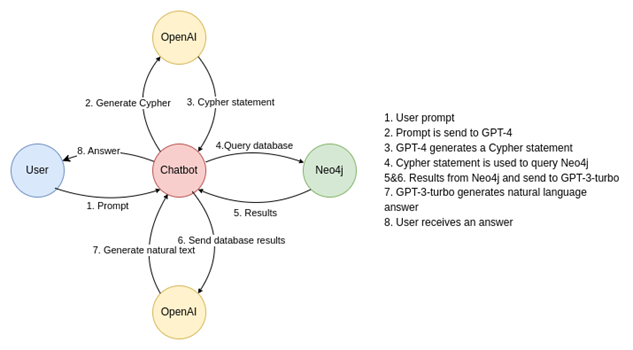
1.2 Content Generation & Internal Communication
Automated Reports and Summaries: GPT generates meeting summaries, performance dashboards, and reports, reducing administrative burdens.
Email Drafting: AI assists in crafting professional, clear, and consistent emails.
Knowledge Management: GPT helps maintain internal knowledge bases, improving information accessibility and collaboration.
Example: Deloitte utilizes AI-driven systems to draft client proposals and contracts, accelerating project timelines and reducing manual workload.
1.3 Data Analysis & Business Intelligence (BI)
Unstructured Data Analysis: GPT extracts insights from customer reviews, social media, and surveys to guide business strategy.
Predictive Analytics: AI forecasts trends and customer behavior, enhancing decision-making.
Example: Unilever leverages AI to analyze social media conversations, gaining real-time consumer insights for product development and marketing strategies

GPT in Marketing
Marketing is one of the primary areas where GPT is making a substantial impact, revolutionizing content creation, personalization, and SEO optimization.
2.1 AI-Generated Content
Content Creation: GPT generates high-quality blog posts, product descriptions, social media updates, and ad copy at scale.
Multilingual Support: AI enables global reach by producing content in multiple languages.
Brand Consistency: GPT ensures content aligns with brand voice and guidelines.
Example: The New York Times employs GPT tools to automate news summaries and social media content, ensuring rapid and consistent updates.
2.2 SEO Optimization & Keyword Research
Keyword Discovery: AI analyzes competitor data and search trends to identify high-impact keywords.
SEO-Optimized Content: GPT generates metadata and keyword-rich articles that enhance search rankings.
Content Refresh: AI rewrites outdated content to improve SEO and engagement.
Example: A travel company used GPT to create SEO-optimized destination guides, increasing organic website traffic by 60%.
2.3 Personalized Email & Ad Campaigns
Email Personalization: GPT crafts hyper-personalized emails based on user behavior, demographics, and preferences.
Ad Copy Variations: AI generates multiple versions of ad headlines and CTAs for A/B testing.
Behavioral Triggers: Automated email campaigns based on customer actions, such as abandoned carts or browsing history.
Example: Amazon uses GPT-enhanced emails to recommend products tailored to a customer’s browsing and purchase history, increasing click-through rates and sales.
Case Studies and Success Stories
Case Study: GPT-Powered Marketing in E-Commerce A global e-commerce brand (e.g., Shopify-based store) integrated GPT into its customer service and marketing strategy, achieving remarkable results:
Chatbots: Reduced customer query response time by 60%, improving retention.
Content Automation: Generated 50+ product descriptions daily with SEO optimization.
Email Personalization: Increased open rates by 35% and conversions by 22% through targeted campaigns.
Success Story: Coca-Cola’s AI-Powered Campaign
GPT & DALL-E Integration: Coca-Cola’s “Create Real Magic” campaign enabled customers to design ads using AI tools, boosting engagement and fostering personalized experiences.
Healthcare Sector Example
Mayo Clinic automated patient FAQs and appointment scheduling with GPT, reducing administrative workload and improving patient service efficiency.

Challenges and Limitations
While GPT offers transformative benefits, it also presents challenges and ethical concerns.
4.1 Ethical Concerns
Risk of AI-generated misinformation and deepfakes.
GPT may unintentionally amplify biases present in training data.
4.2 Lack of Human Touch
Over-reliance on AI may lead to impersonal or robotic interactions.
Lacks emotional intelligence, which is crucial in sensitive customer interactions.
4.3 Data Privacy and Security
AI models must ensure compliance with data protection regulations like GDPR and CCPA.
Example: Businesses using AI-powered tools must implement encryption and user consent mechanisms to protect customer data.
The Future of GPT in Business and Marketing
5.1 Advanced Personalization
Deeper customer data analysis for hyper-targeted marketing.
Real-time dynamic content personalization across platforms.
5.2 Voice & Video AI
AI-powered text-to-speech and video content automation.
Virtual AI avatars for customer service and product demos.
Example: Platforms like Synthesia and Descript enable quick and scalable AI-generated video content creation.
5.3 Augmented Creativity
GPT will assist human teams in brainstorming and content creation.
AI will enhance storytelling, copywriting, and campaign planning.
Example: Leading agencies like Ogilvy are experimenting with GPT for creative concept development in branding campaigns.
Conclusion
GPT is transforming how businesses operate and engage with their customers. Its ability to automate tasks, deliver personalized experiences, and analyze data makes it an indispensable tool for modern business and marketing strategies.
Companies that effectively integrate GPT and other AI technologies will gain a competitive advantage, offering enhanced customer experiences, innovative campaigns, and streamlined operations. As AI continues to evolve, businesses that embrace these technologies will shape the future of digital transformation.


Very nice 👌🏻
Great read!!👍Well-written and highly relevant! Really Impressive.
Great blog 👍
Well explained! The businesses that adapt AI now will thrive in the digital era.
Informative blog